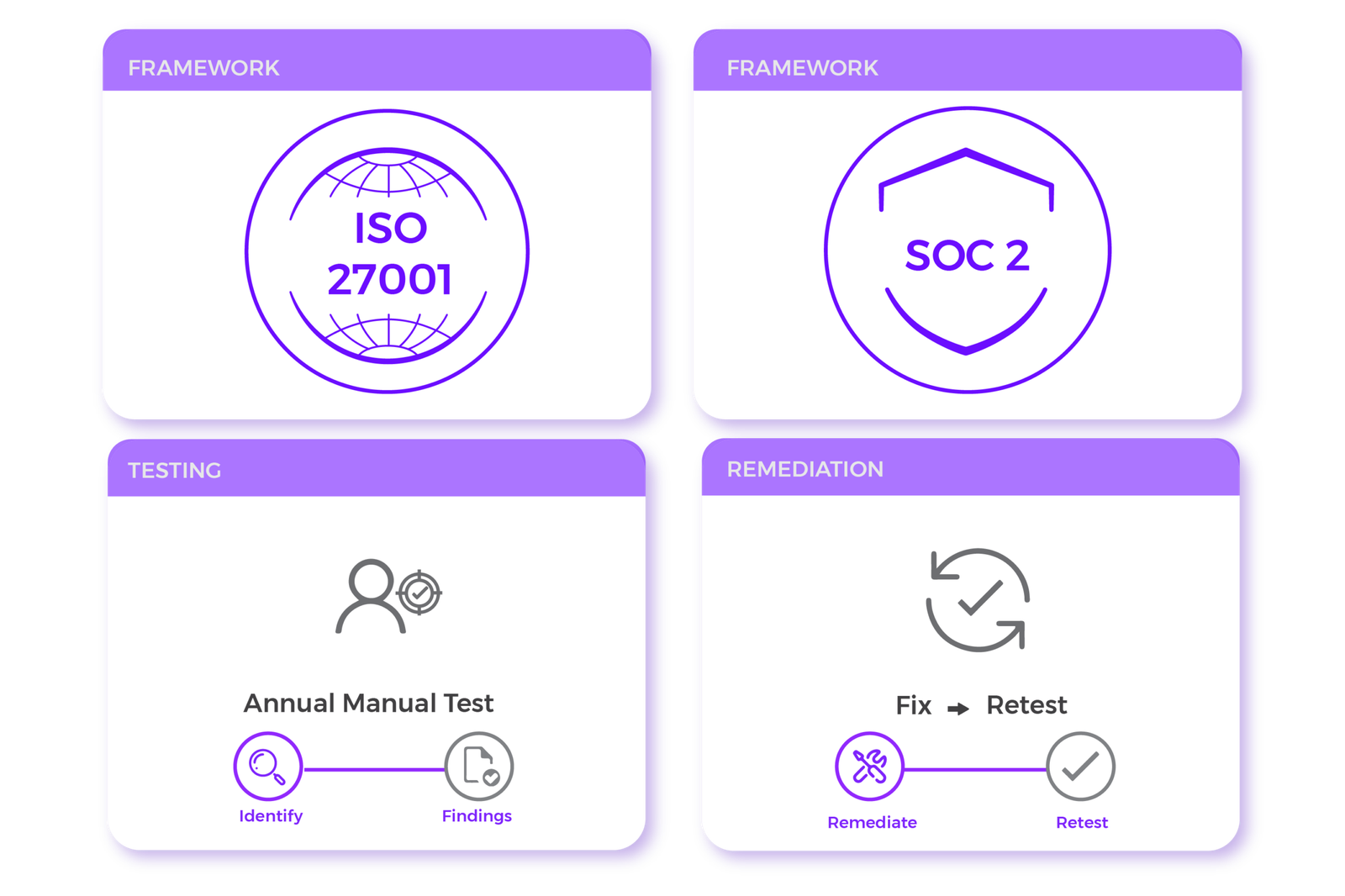
Penetration Testing Services

Axipro delivers penetration testing services that go beyond compliance checkboxes. Our vulnerability assessment and penetration testing engagements are structured to satisfy ISO 27001 Annex A (clause 8.8), PCI DSS Requirement 11, SOC 2 CC7.1, and HIPAA technical safeguard controls — while giving your security team a realistic picture of exploitable risk. Serving organisations across Bahrain, the UAE, and the wider GCC region.

Vulnerability Assessment and Penetration Testing

Trusted by 4,000+ companies

Key Features:

Penetration Testing

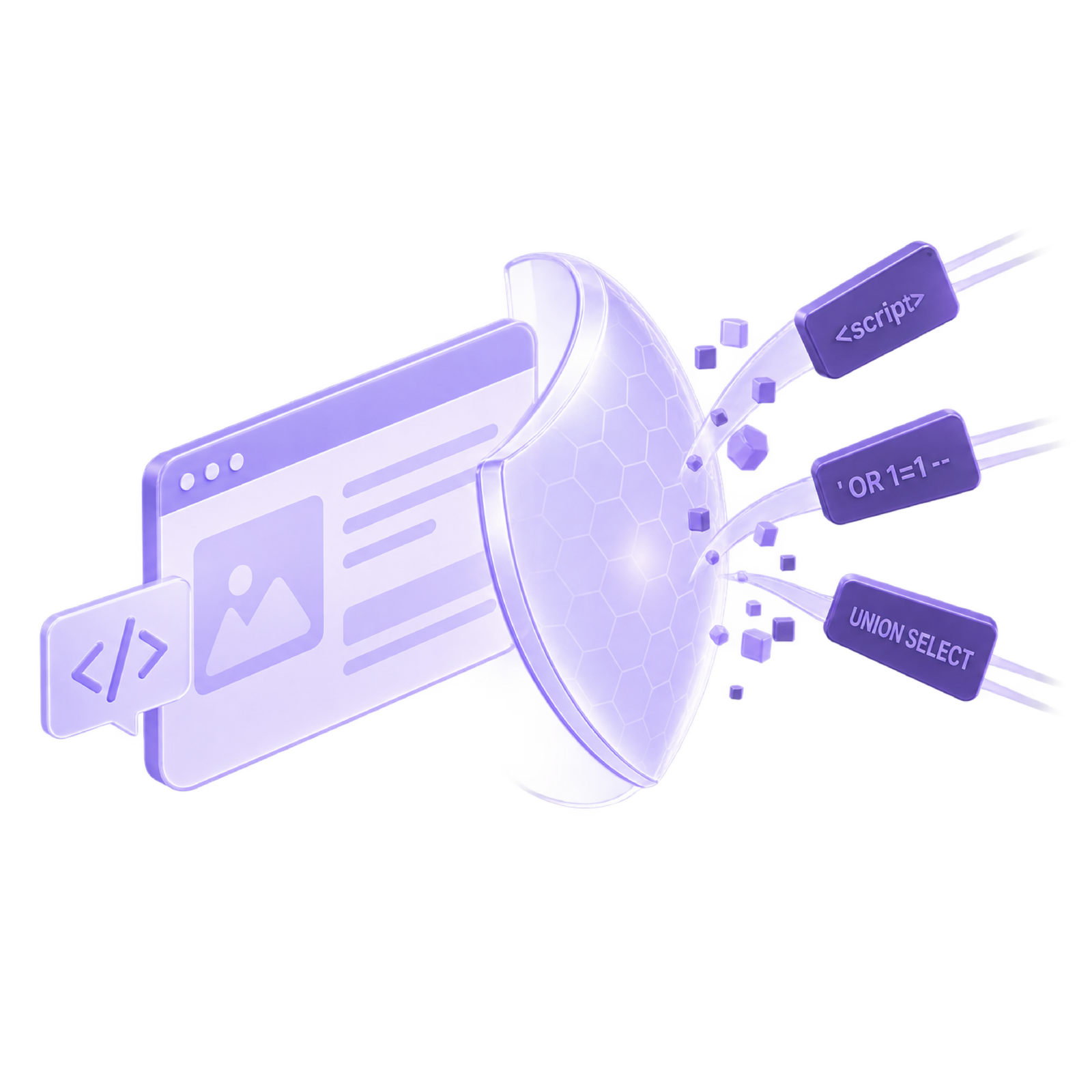
Through simulated cyber-attacks, our penetration testing service goes beyond identifying vulnerabilities to actively exploit them. This provides a realistic assessment of your organization’s ability to withstand and recover from potential security breaches.

Comprehensive Reporting

Our detailed reports provide a comprehensive overview of identified vulnerabilities, the potential impact of exploits, and recommended remediation strategies. This transparent and actionable information empowers your organization to make informed security decisions.

Regulatory Compliance

Ensure adherence to industry regulations and compliance standards by identifying and addressing security gaps that may lead to non-compliance.

Risk Mitigation Strategies

Receive strategic recommendations for mitigating identified risks, enhancing your organization’s overall security posture, and reducing the likelihood of successful cyber-attacks.

Black Box, Grey Box, and White Box Penetration Testing

The amount of information shared with the tester at the start of an engagement shapes both the realism of the test and the depth of coverage. There is no single “best” approach. The right choice depends on your objectives, the maturity of your security programme, and what you need to prove to auditors, customers, or the board. Axipro offers all three.

Black Box

The external attacker simulation.

The tester begins with zero internal information: no credentials, no architecture diagrams, no source code. They work the same way an external attacker would, starting from your public footprint and seeing how far they can get.

Best suited for:

Grey Box

The compromised user simulation.

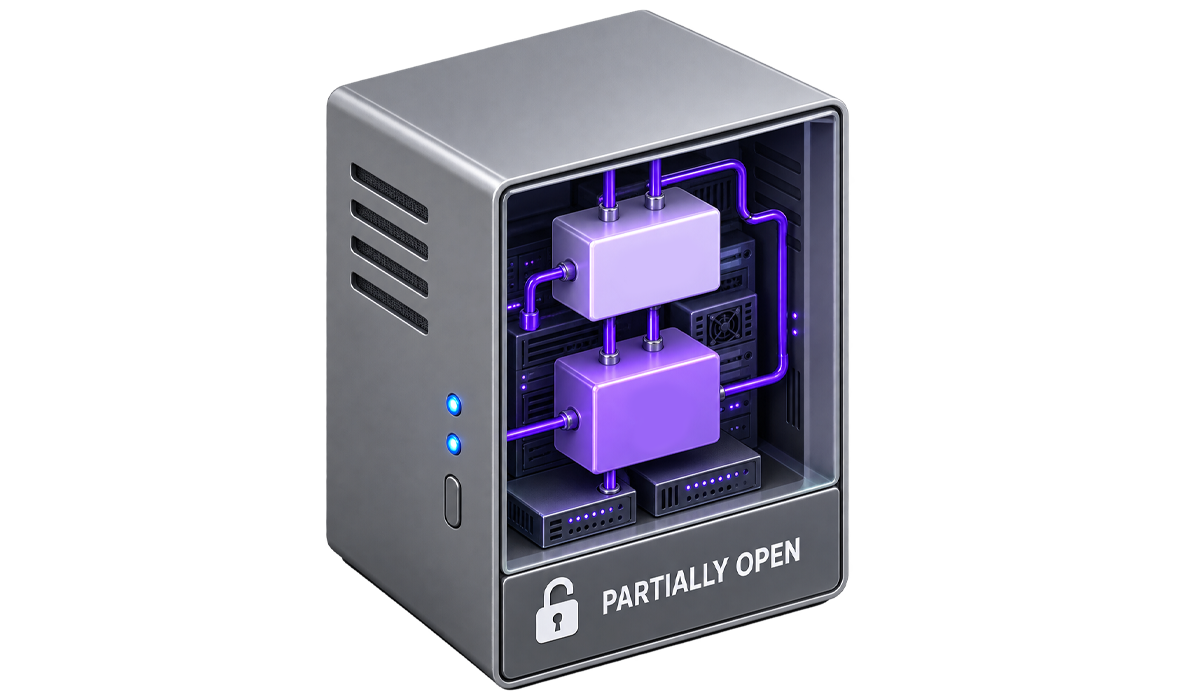
The tester is given limited information, typically a standard user account, basic architecture context, or a sample of internal documentation. This simulates a realistic and increasingly common scenario: an attacker who has phished an employee or bought credentials on a forum.

Best suited for:

White Box

The maximum-coverage assessment.

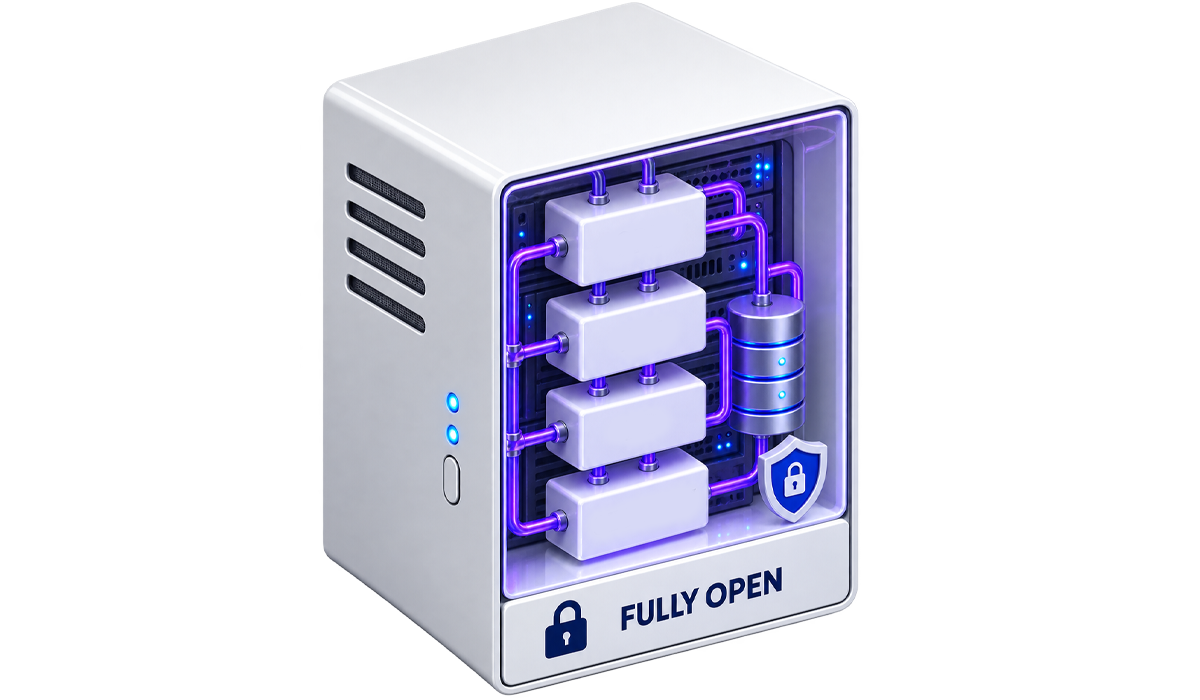
The tester is given full information: source code, network diagrams, administrative credentials, configuration files, and architectural documentation. They simulate the worst-case insider scenario.

Best suited for:

How They Compare

Factor Black Box Grey Box White Box
Information provided None Limited (e.g., user account) Full (code, creds, docs)
Realism Highest High Lower
Coverage per day Lowest Balanced Highest
Typical duration 3–6 weeks 2–4 weeks 2–3 weeks
Best for External attack simulation Most production environments Pre-launch & high-assurance systems
Compliance fit ISO 27001, PCI DSS external scope ISO 27001, SOC 2, PCI DSS, HIPAA SOC 2 Type II, HIPAA, sensitive systems
Black Box
Information provided None
Realism Highest
Coverage per day Lowest
Typical duration 3–6 weeks
Best for External attack simulation
Compliance fit ISO 27001, PCI DSS external scope
Grey Box
Information provided Limited (e.g., user account)
Realism High
Coverage per day Balanced
Typical duration 2–4 weeks
Best for Most production environments
Compliance fit ISO 27001, SOC 2, PCI DSS, HIPAA
White Box
Information provided Full (code, creds, docs)
Realism Lower
Coverage per day Highest
Typical duration 2–3 weeks
Best for Pre-launch & high-assurance systems
Compliance fit SOC 2 Type II, HIPAA, sensitive systems

Compliance Without the Headache.

Not sure which approach fits your environment? Schedule your free assessment today

Benefits of our Penetration Testing Service

At Axipro, penetration testing is built around what the business actually needs: evidence for auditors, findings engineers can act on, and confidence at the board level. Here is what you get with every engagement.

Audit-Ready Evidence

Reports built to satisfy ISO 27001 Annex A 8.8, PCI DSS Requirement 11.4, SOC 2 CC7.1, and HIPAA technical safeguards. No reformatting before submission. No clarifying calls with the auditor.

Findings Engineers Can Act On

Every vulnerability includes proof of exploit, affected components, CVSS scoring, and step-by-step remediation guidance. No vague recommendations to "harden the server" or "review the configuration".

Continuous Support After the Test

A debrief call with your engineering and security teams, free retesting after remediation, and a letter of attestation suitable for auditors, customers, and procurement teams. The engagement is not over when the report lands.

Local Presence, Global Standards

Offices in the UK, USA, Bahrain, and Portugal. Engagements aligned with NIST SP 800-115, OWASP, PTES, and CREST standards. Testers with CREST, OSCP, OSWE, and CRTO certifications.

Frequently Asked Questions

How often should we run a penetration test?

At minimum, once a year. Most compliance frameworks (PCI DSS, SOC 2, ISO 27001) require annual testing, plus retesting after significant changes to the environment. Organisations releasing software frequently often move to quarterly or continuous testing.

Yes. NDAs are signed before any technical work begins. All findings, credentials, and client data are handled under documented data-handling procedures and destroyed at the end of the engagement on request.

Our testers hold combinations of CREST, OSCP, OSWE, OSEP, CRTO, and PNPT certifications. Engagements are led by testers with at least five years of offensive security experience.

Cost depends on scope, methodology, and duration. A focused web application test typically runs at 1000$, while a full external, internal, and cloud assessment can run higher. We provide a fixed-fee quote after a scoping call, with no surprise add-ons later.

Compliance Insights, Straight To Your Inbox

Get actionable insights, framework guides, and compliance-automation tips to help your team navigate SOC 2, ISO 27001, ISO 9001, NIS 2, and other security standards.

Case Studies / Customer Success

Everything you need to convert, engage, and retain more users.

Lorem ipsum dolor sit amet, consectetur adipiscing elit, sed do

Lorem ipsum dolor sit amet, consectetur adipiscing elit, sed do

Lorem ipsum dolor sit amet, consectetur adipiscing elit, sed do

95%
Lorem ipsum dolor sit amet, consectetur adipiscing elit
95%
Lorem ipsum dolor sit amet, consectetur adipiscing elit
95%
Lorem ipsum dolor sit amet, consectetur adipiscing elit

Resources

Related Resources

ISO 27001 does not use the words “penetration test” anywhere. And yet, auditors conducting Stage 2 assessments routinely expect to see one.  Understanding why that gap exists, and how to close it, is what separates organizations that sail through ISO 27001 certification from those that get caught off-guard. This guide covers what the standard actually says about security testing, which controls drive the expectation for penetration testing, what types of testing are relevant, and how to build a testing programme that genuinely supports your ISMS rather than simply ticking a compliance box. What Is Penetration Testing in the context of ISO 27001? ISO 27001 penetration testing refers to structured, simulated attacks conducted against an organization’s systems, networks, and applications in order to identify exploitable vulnerabilities before real attackers do. In the context of ISO 27001, it serves a specific purpose: providing evidence that the technical controls underpinning your Information Security Management System (ISMS) actually work under real-world conditions. The distinction matters. A vulnerability scan tells you what weaknesses exist whilst a penetration test tells you whether those weaknesses are exploitable, to what degree, and with what consequence. That difference is exactly what auditors are looking for when they ask for testing evidence. Penetration testing is not an isolated activity in an ISO 27001 programme. Its findings feed directly into three of the most scrutinised documents in your ISMS: the risk register, the risk treatment plan, and the Statement of Applicability (SoA). A risk listed in your register as “medium” looks very different once a tester has demonstrated they can chain it into a full domain compromise. Is Penetration Testing a Requirement for ISO 27001? No, it is not explicitly required. The standard does not mandate it by name. What ISO 27001 does require is that organisations establish and maintain a functioning ISMS, perform systematic risk assessments (Clause 6.1.2), implement appropriate controls (Clause 8), evaluate the performance and effectiveness of those controls (Clause 9), and pursue continual improvement (Clause 10). Vulnerability assessment and penetration testing supports every one of those activities with hard evidence. Two Annex A controls make it practically impossible to demonstrate compliance without some form of penetration testing: A.8.8 (Management of Technical Vulnerabilities) and A.8.29 (Security Testing in Development and Acceptance). Auditors conducting Stage 2 assessments will expect to see testing evidence mapped to both. Organisations that substitute a vulnerability scan report and call it done regularly receive non-conformances. The absence of an explicit penetration testing requirement is sometimes misread as permission to skip it. In practice, certified auditors universally expect evidence of testing that goes beyond automated scanning. Relying solely on scan reports is the fastest route to a failed audit. What ISO 27001:2022 Says About Security Testing Annex A 8.29: Security Testing in Development and Acceptance Annex A 8.29 requires organisations to define and implement security testing processes throughout the development lifecycle and before final acceptance of any system. This applies to both in-house development and outsourced or third-party software. The control is preventive in nature. Its purpose is to ensure that no application, database, or system goes into production with known, unmitigated vulnerabilities. For in-house development, the standard specifically references conducting code reviews, performing vulnerability scans, and carrying out penetration tests to identify weak coding and design. For outsourced environments, organisations must set contractual requirements that ensure suppliers meet equivalent security testing standards, accepting a supplier’s assurance without evidence is not sufficient. Annex A 8.29 does not prescribe specific tools or techniques. What it demands is that testing is risk-based, documented, and proportionate to the sensitivity and exposure of the system. A low-risk internal tool used by five people warrants a different level of scrutiny than a customer-facing payment platform. Security testing should scale with risk, and it should happen throughout development, not only at the end. Worth knowing: Annex A 8.29 consolidates two controls from ISO 27001:2013, specifically A.14.2.8 (System security testing) and A.14.2.9 (System acceptance testing), into a single, clearer requirement. The 2022 version makes the expectation of penetration testing more explicit, particularly for major releases and architectural changes. Auditors will ask to see signed penetration test reports or independent security audit summaries for recent major system updates. If such evidence does not exist, they have grounds to mark the control as non-compliant. Annex A 8.8: Management of Technical Vulnerabilities Annex A 8.8 is the vulnerability management control. It requires organisations to identify, assess, and address technical vulnerabilities in a timely manner, taking a proactive and risk-based approach rather than reacting only when something breaks. Crucially, the control explicitly lists periodic, documented penetration tests, conducted either by internal staff or by a qualified third party, as a method for identifying vulnerabilities. Automated scanners have their place, but penetration tests are recognised here as the mechanism for discovering high-risk weaknesses that scanners routinely miss: logic flaws, chained vulnerabilities, privilege escalation paths, and misconfigurations that only become dangerous in combination. Annex A 8.8 replaces two controls from ISO 27001:2013: A.12.6.1 (Technical vulnerability management) and A.18.2.3 (Technical compliance review). The 2022 version introduces a broader, more holistic approach, including the organisation’s public responsibilities, the role of cloud providers, and the expectation that vulnerability management is integrated with change management rather than treated as a separate activity. The Role of Penetration Testing in ISO 27001 Compliance Risk Assessment and Treatment ISO 27001’s risk-based model sits at the core of everything. Penetration testing feeds that model with real-world evidence rather than hypothetical assumptions. When a tester demonstrates that an attacker can move laterally from a compromised workstation to a production database in four steps, that finding transforms what was previously a theoretical risk into a documented, evidenced vulnerability with a severity rating, an exploitability score, and a required remediation action. This evidence directly informs how risks are treated. ISO 27001 requires organisations to choose one of four treatment options for each risk: mitigate, accept, avoid, or transfer. Without penetration test data, those decisions rest on estimation. With it, they rest on proof. If you haven’t yet mapped

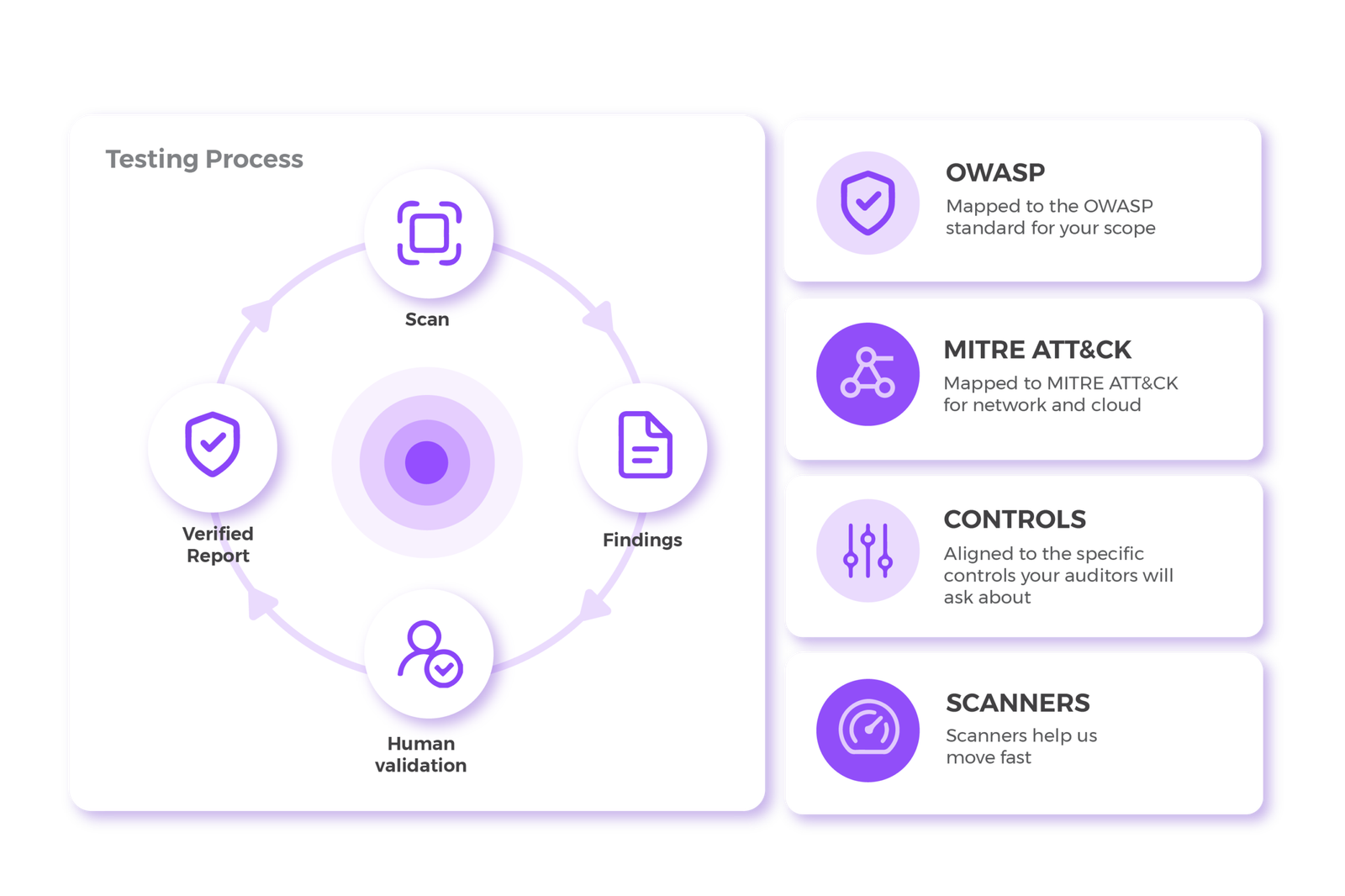
Cyber threats are no longer theoretical. They are automated, persistent, and increasingly aimed at organisations that believe they are “too small to be a target”. Whether you are a SaaS startup, a regulated enterprise, or a growing organisation preparing for ISO 27001 or SOC 2, penetration testing is no longer optional. It is a core security and compliance requirement. At Axipro, penetration testing is designed to do more than find weaknesses. It helps organisations understand their real-world risk, validate security controls, and prioritise remediation in a way that supports audits, certifications, and long-term growth. Main Objectives of Penetration Testing The Axipro penetration testing framework is built around four primary objectives: Identify vulnerabilities across applications, infrastructure, and exposed services before attackers do. Improve security posture by understanding how systems behave under real attack conditions, not just theoretical assessments. Prioritise remediation so teams focus on the vulnerabilities that pose genuine business risk, rather than chasing low-impact findings. Validate security controls to ensure that policies, configurations, and safeguards actually work in practice. Penetration testing is not about producing long reports. It is about producing clarity.   Introduction & Methodology Penetration testing at Axipro follows a structured, repeatable methodology that aligns with modern security standards and compliance frameworks. The methodology is designed to simulate real-world attacks while remaining controlled, auditable, and business-focused. This ensures findings are both technically accurate and compliance-ready. The process balances automation with deep manual testing, recognising that tools alone cannot uncover logic flaws, chained vulnerabilities, or contextual risk.   Project Map The project map illustrated above provides a clear, end-to-end view of how an Axipro penetration testing engagement is delivered . Rather than treating testing as a single activity, Axipro approaches it as a sequence of interconnected phases, each building on the last.   Kick Off The engagement begins with a structured kick-off. This phase defines: Project stakeholders Scope boundaries Timeline and milestones Terminology and testing methodology Type of testing to be performed This step is critical. Clear scoping ensures the test reflects real business risk and avoids both blind spots and unnecessary noise.   Initial Scanning Initial scanning focuses on information gathering and attack surface discovery. Axipro collects intelligence on the target environment using scanning tools and publicly available sources. This mirrors how real attackers begin their reconnaissance. The goal is not exploitation, but understanding what is visible, reachable, and potentially misconfigured.   Assessment & Analysis   This is the core analytical phase of the engagement. During assessment and analysis, Axipro: Scans for known vulnerabilities and misconfigurations Performs automated and manual testing Conducts targeted manual penetration attempts Analyses authentication flows, access controls, and exposed APIs Evaluates real exploitability rather than theoretical risk This phase separates generic vulnerability scanning from true penetration testing.   Exploitation   In the exploitation phase, Axipro safely attempts to exploit validated vulnerabilities. This step answers the most important question for leadership: What could an attacker actually do with this weakness? Exploitation is controlled, non-destructive, and focused on demonstrating impact rather than causing disruption.   Reporting The final phase is reporting and closeout. Axipro delivers a structured penetration testing report that: Documents all findings Rates vulnerabilities by severity Explains business impact in clear language Provides actionable remediation recommendations The report is designed to support engineering teams, leadership, and auditors alike.   Tools Used Axipro uses a broad range of industry-standard tools, supported by expert-led manual testing . These include vulnerability scanners, network analysis tools, application testing platforms, API testing tools, and custom scripts. However, tools are only part of the equation. Automation finds volume. Expertise finds risk. Manual testing techniques such as code review, API analysis, SQL injection testing, and custom exploitation scripts are critical to uncovering vulnerabilities that scanners routinely miss. Black Box Testing Black box testing is performed with no prior knowledge of the internal workings of the system. Testers approach the application from an external attacker’s perspective, relying on publicly accessible interfaces and behaviour.   Advantages   Black box testing provides a realistic simulation of external attacks, helping organisations: Identify externally exposed weaknesses Improve overall security posture Support compliance requirements Prioritise risk based on real-world attack paths   Disadvantages   Because internal code and architecture are not visible, some deep or logic-based vulnerabilities may remain undetected.   White Box Testing White box testing provides testers with full knowledge of the internal code, architecture, and design. Axipro’s security team uses this visibility to examine internal logic, security mechanisms, and code quality.   Advantages White box testing enables: Comprehensive testing coverage Identification of complex vulnerabilities Accurate risk assessment Early detection during development Validation of security controls   Disadvantages White box testing can be time-consuming, more costly, and dependent on internal access. It may also create a false sense of security if not paired with external testing. Grey Box Testing Grey box testing combines elements of both black box and white box testing. Testers have partial knowledge of the internal system, such as architecture diagrams or limited access credentials.   Advantages This approach provides a balanced perspective, allowing: Realistic attack simulation In-depth evaluation Efficient vulnerability identification Practical risk prioritisation   Disadvantages Grey box testing may still have scope limitations and incomplete coverage, particularly in complex or legacy environments.   Penetration Testing Timeline While timelines vary based on scope and complexity, a standard engagement includes: Kick-off and planning, followed by initial scanning, assessment and analysis, exploitation, and reporting. In most cases, penetration testing is completed within one to two weeks, providing fast, actionable insight without disrupting operations. Penetration Testing Plans Axipro offers scalable penetration testing plans aligned with organisational size, growth stage, and compliance needs. The Basic plan is suitable for smaller organisations or single-framework requirements, including one round of retesting. The Scale plan supports growing organisations that require multiple retesting cycles and deeper coverage. The Growth plan is designed for organisations with frequent testing needs and evolving attack surfaces. Each plan integrates seamlessly with Axipro’s broader compliance services, including ISO 27001, SOC 2, internal audits, and compliance as a service. Basic 1 Round of Retesting Talk with us

To proactively identify potential vulnerabilities and validate the strength of its defenses, Substrata partnered with Axipro to conduct a greybox penetration test.

FAQ

Frequently Asked Questions

What is Axipro’s core expertise?

Lorem ipsum dolor sit amet, consectetur adipiscing elit. Ut elit tellus, luctus nec ullamcorper mattis, pulvinar dapibus leo.

Lorem ipsum dolor sit amet, consectetur adipiscing elit. Ut elit tellus, luctus nec ullamcorper mattis, pulvinar dapibus leo.

Lorem ipsum dolor sit amet, consectetur adipiscing elit. Ut elit tellus, luctus nec ullamcorper mattis, pulvinar dapibus leo.

Lorem ipsum dolor sit amet, consectetur adipiscing elit. Ut elit tellus, luctus nec ullamcorper mattis, pulvinar dapibus leo.

Lorem ipsum dolor sit amet, consectetur adipiscing elit. Ut elit tellus, luctus nec ullamcorper mattis, pulvinar dapibus leo.

Lorem ipsum dolor sit amet, consectetur adipiscing elit. Ut elit tellus, luctus nec ullamcorper mattis, pulvinar dapibus leo.

Lorem ipsum dolor sit amet, consectetur adipiscing elit. Ut elit tellus, luctus nec ullamcorper mattis, pulvinar dapibus leo.

Lorem ipsum dolor sit amet, consectetur adipiscing elit. Ut elit tellus, luctus nec ullamcorper mattis, pulvinar dapibus leo.

Lorem ipsum dolor sit amet, consectetur adipiscing elit. Ut elit tellus, luctus nec ullamcorper mattis, pulvinar dapibus leo.

Lorem ipsum dolor sit amet, consectetur adipiscing elit. Ut elit tellus, luctus nec ullamcorper mattis, pulvinar dapibus leo.

The Achievement Plan is Axipro’s flagship compliance program — a structured, 6-week path to full certification. Think of it as compliance on autopilot: we combine automated scanning, intelligent document drafting, and expert auditor support to get you from wherever you are today to certified, without the guesswork or open-ended timelines.

Resources

Related Resources

Service Name 1

Service Name 1

Service Name 1