

Don’t wait until a breach happens. Watch our Loom video tutorial to get started today!
A cybersecurity tabletop exercise is a structured, discussion-based session where an organization’s key stakeholders collaborate to assess and improve their response to cybersecurity incidents. Led by a facilitator, these exercises simulate real-world security events in an informal setting—either in a conference room or virtually. The primary goal is to test an organization’s readiness, refine incident response (IR) and disaster recovery (DR) strategies, and ensure that all team members understand their roles and responsibilities during a cyber crisis.
At Axipro, we believe that preparation is the key to resilience. These exercises aren’t just about compliance; they help teams build confidence, refine their strategies, and ensure that in the face of an attack, everyone knows exactly what to do.
Tabletop exercises play a crucial role in strengthening an organization’s cybersecurity posture by:
Step 1: Define Your Objectives
Before initiating a tabletop exercise, establish clear objectives such as:
Step 2: Develop a Realistic Scenario
Tailor the scenario to threats relevant to your organization. Examples include:
Step 3: Assign Roles
Assign specific roles to participants, such as:
Step 4: Facilitate the Exercise
The facilitator should guide the discussion and encourage active participation. Key takeaways to document include:
Step 5: Review & Improve
After the exercise, analyze findings and implement necessary changes to IR and DR plans to enhance preparedness.
Scenario Overview
Axipro, a trusted cybersecurity solutions provider, is helping a mid-sized cloud solutions company navigate a major cybersecurity breach, impacting thousands of customers.
Incident Description
Security Breach & Platform Outage
Response Actions
Incident Response (IR) Exercise
At Axipro, we understand that incident response isn’t just about reacting to attacks—it’s about preventing them before they happen. Our IR exercises test an organization’s procedures and technical capabilities for identifying and responding to cyberthreats, security breaches, and cyberattacks. A strong IR strategy helps cybersecurity teams detect and contain threats, recover systems quickly, and reduce financial and reputational damage.
Disaster Recovery (DR) Testing
A DR test helps identify risks affecting business operations and prioritizes recovery efforts based on the severity of outages. Understanding how an outage impacts the company and its customers is critical to making informed decisions about asset protection and risk management.
Business Impact Analysis

Key Systems and Processes
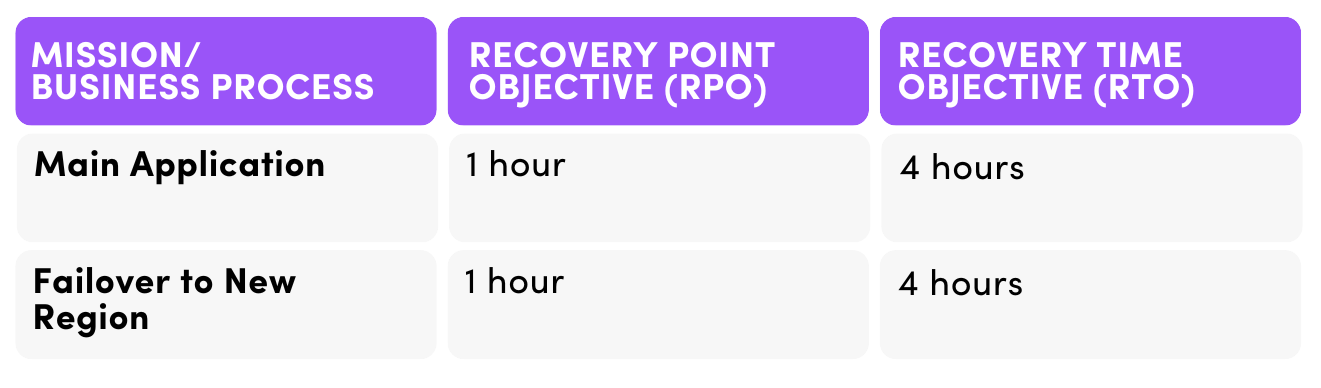
The following table outlines critical systems and their downtime estimates in a disaster scenario.
Estimated Downtime Considerations
At Axipro, we believe in proactive security. A well-executed tabletop exercise isn’t just a compliance requirement—it’s a lifeline in today’s evolving cyber threat landscape. By rigorously testing your IR and DR plans, your organization can mitigate risks and improve its overall cyber resilience.
WhatsApp us